Starting a fitness routine can feel straightforward until you have to decide what exercises to do, how often to train, how much weight to use, and whether what you are doing is actually moving you toward your goals.
That is where working with a personal trainer can make a meaningful difference.
A trainer gives your fitness journey structure from the beginning. Instead of relying on random workouts or trying to figure everything out through trial and error, you can follow a plan built around your current fitness level, goals, schedule, and abilities.
If you are wondering how to start with a personal trainer, the process does not have to be complicated. It begins with understanding what you want to achieve, finding the right coaching environment, and building a routine you can realistically maintain.
Why Start Your Fitness Journey With a Personal Trainer?
One of the biggest challenges for beginners is knowing where to begin.
You may want to lose weight, become stronger, improve your energy, move better, or simply become more consistent. But knowing your goal and knowing how to train for it are two different things.
The benefits of working with a personal trainer begin with having a clear direction. Rather than approaching fitness with a one-size-fits-all workout, your training can reflect your starting point and what you are trying to accomplish.
At MK Fitness, our approach to personal training combines individualized workouts, guidance, accountability, and practical lifestyle support. Our goal is to help you build progress that can continue beyond a few weeks of motivation.
For someone completely new to structured exercise, our beginner fitness guide can also help you understand the fundamentals before or alongside your training.
How Does Personal Training Work?
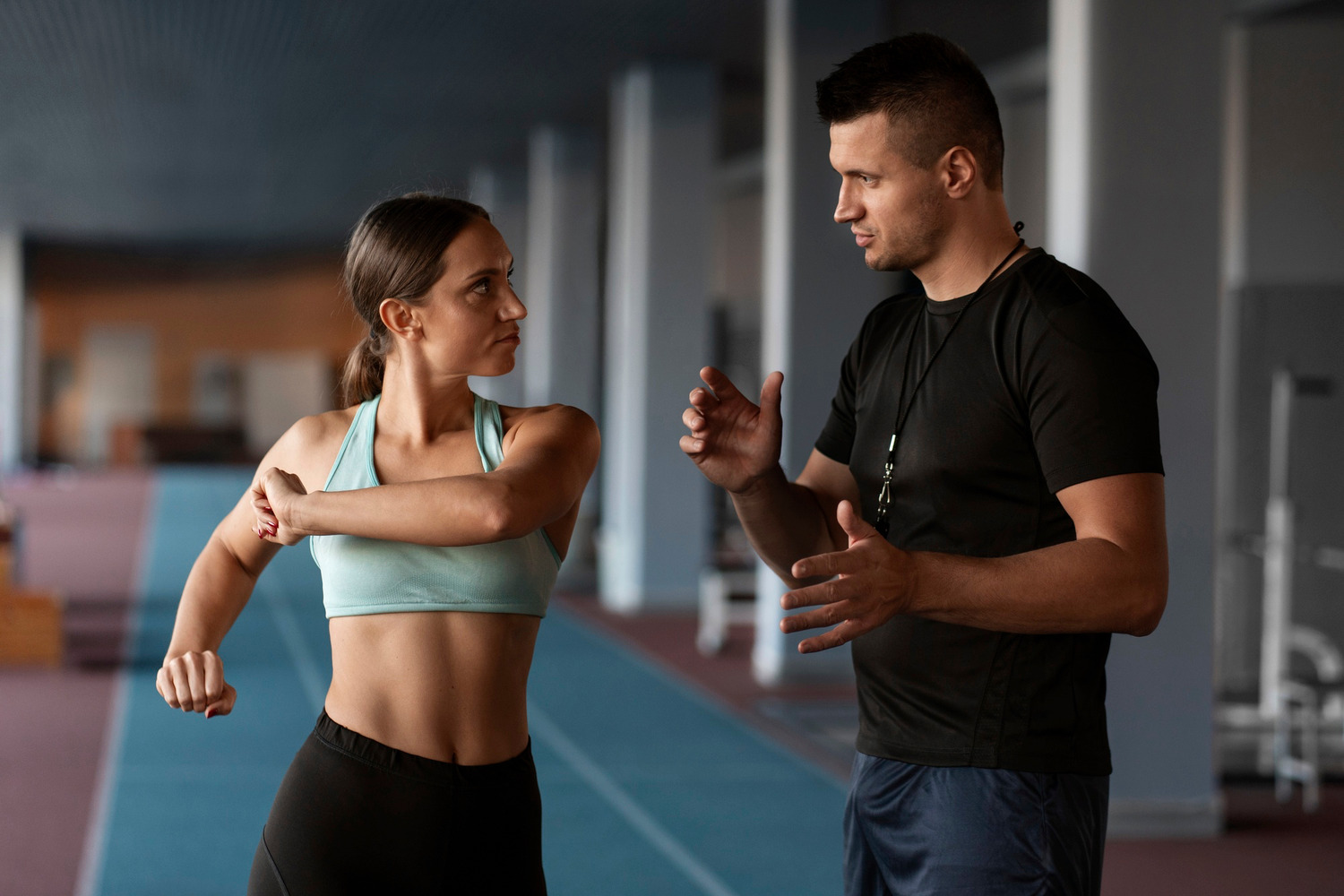
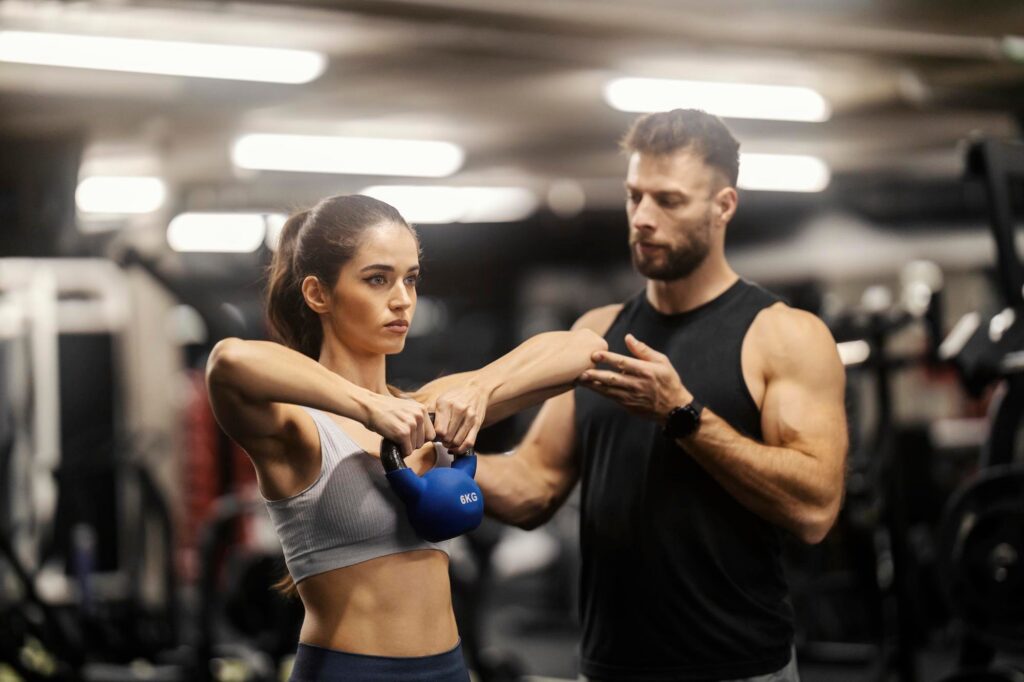
If you have never worked with a coach before, you may be wondering how personal training works. Good personal training starts before the workout itself.
Your trainer needs to understand your goals, training history, lifestyle, current abilities, and any factors that may affect how you exercise. From there, a program can be created around what is appropriate for you rather than what happens to be popular online.
Your Goals Shape the Training Plan
A person who wants to become stronger may need a different program from someone focused primarily on weight loss, mobility, or general conditioning.
Your training may include strength exercises, cardiovascular conditioning, mobility work, balance, or movement patterns that support everyday activities.
For example, functional training can help develop strength and movement skills that carry over into daily life. Someone with a weight-management goal may follow a more specific fat loss training approach that combines structured exercise with sustainable lifestyle habits.
The important point is that the program should have a purpose.
Your Program Changes as You Progress
Personal training is not simply repeating the same workout every week. As your strength, endurance, coordination, and confidence improve, your trainer can adjust exercises, resistance, repetitions, volume, or other aspects of the program.
This progression is one reason personalized coaching helps you stay consistent. You have a clear plan, but the plan can adapt as your needs change.
What to Expect From Your First Personal Training Session
Your first personal training session should help establish where you are now and where you want to go.
Instead of expecting an extremely difficult workout on day one, think of the first session as the beginning of a longer process.
A trainer may discuss:
- Your primary fitness goals
- Previous exercise experience
- Your weekly schedule
- Current activity level
- Exercise preferences
- Movement abilities
- Challenges that have made consistency difficult in the past
Depending on the program, you may also complete basic exercises or movement assessments so your trainer can better understand your starting point.
Our guide to your first personal training session can help you prepare for what that first meeting may involve.
This early stage can also be useful for establishing measurable benchmarks. A body composition analysis, when appropriate for your goals, can provide additional information for tracking changes in areas such as body fat and muscle mass over time.
How to Start Personal Training: A Practical Approach
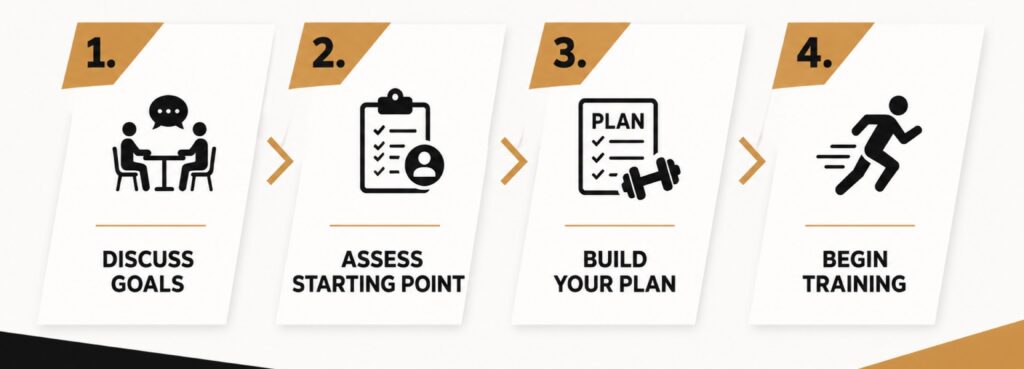
If you are ready to begin but are unsure how to start personal training, focus on a few important decisions rather than trying to plan everything at once.
1. Define What You Want to Accomplish
Your goal does not need to be highly specific before contacting a trainer.
You might simply know that you want to:
- Become stronger
- Lose body fat
- Improve fitness and endurance
- Feel more comfortable exercising
- Build a consistent routine
- Improve your overall health and lifestyle
A trainer can help turn a broad goal into a realistic training strategy.
2. Choose a Trainer Who Fits Your Needs
Understanding how to choose a personal trainer is just as important as deciding to hire one.
Look beyond whether the trainer can create challenging workouts. Consider whether the coaching approach is personalized, whether exercises are clearly explained, and whether the trainer understands your goals.
For beginners in particular, communication matters. A good personal trainer for beginners should be able to explain what you are doing and why, adjust exercises when necessary, and help you build confidence gradually.
It may also help to consider the right time to hire a personal trainer if you have struggled to create a routine independently or feel uncertain about how to progress.
3. Build a Schedule You Can Maintain
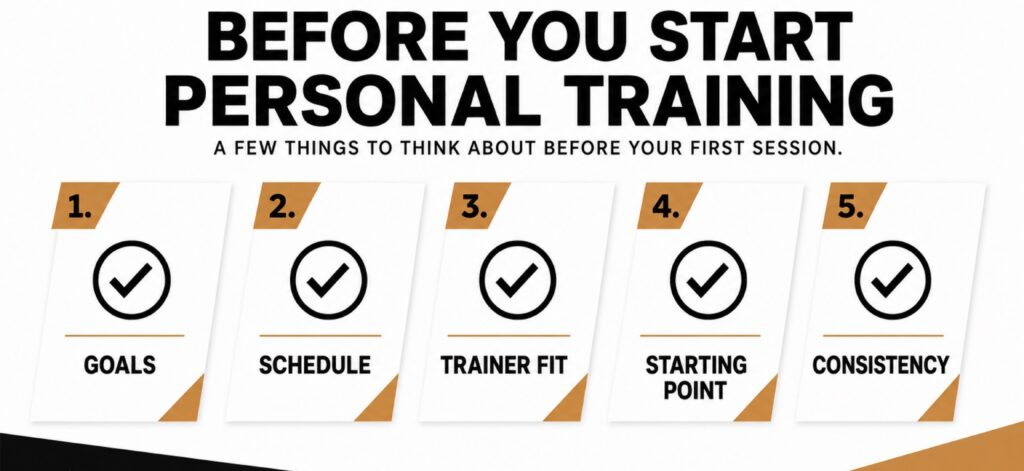
More training is not automatically better training. Your schedule should reflect your current fitness level, recovery needs, availability, and goals. If you are unsure how often beginners should work out, start by thinking about consistency rather than trying to train every day.
A realistic schedule that you can maintain for months is usually more useful than an aggressive schedule that lasts two weeks.
4. Expect Progress, Not Perfection
Starting personal training does not mean every workout will feel easy or every week will go exactly according to plan.
Work, family responsibilities, travel, sleep, and other parts of life can affect training. Sustainable fitness requires learning how to continue even when circumstances are not perfect.
Avoiding common beginner workout mistakes, such as doing too much too soon or constantly changing programs, can help you build a more stable foundation.
What Are the Benefits of Beginner Personal Training?
Effective beginner personal training provides more than someone standing next to you while you exercise.
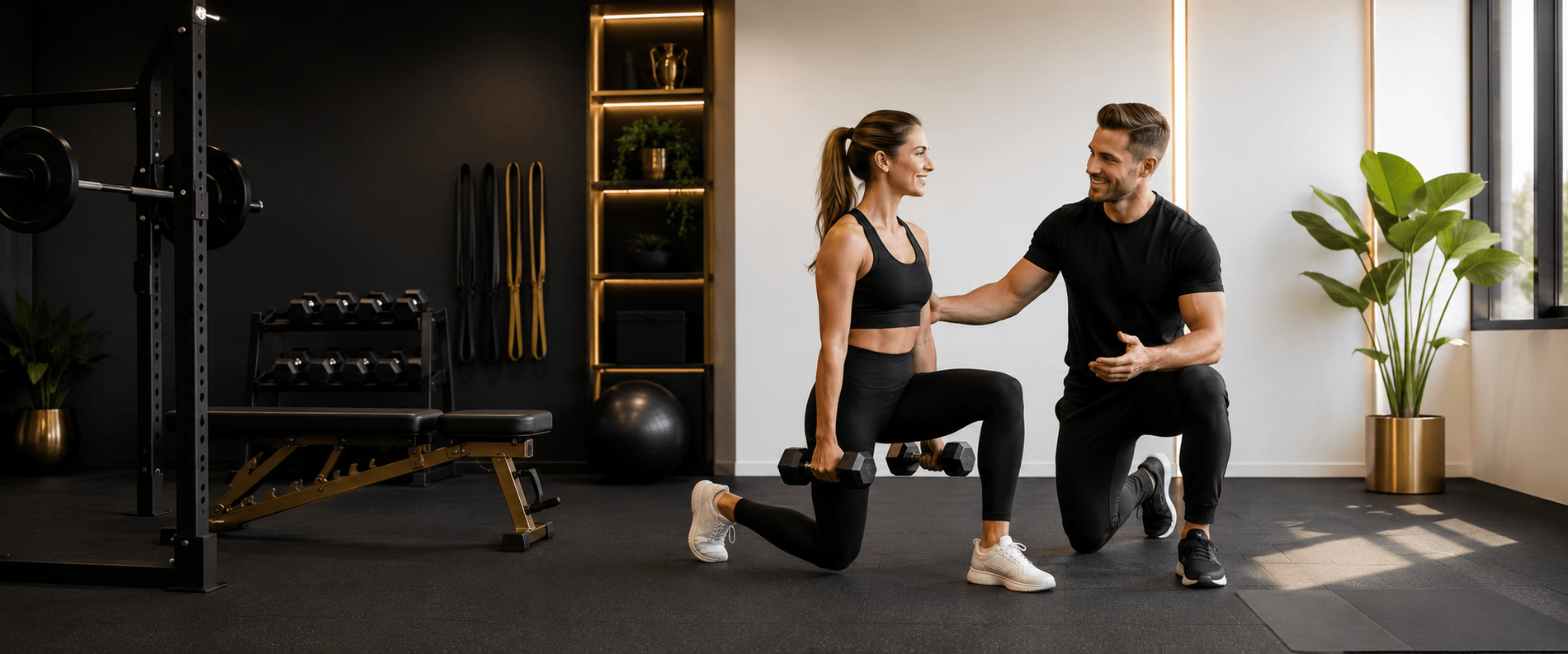
Personalized coaching can help you understand proper exercise technique, organize your workouts, progress at an appropriate pace, and stay accountable to the goals you set.
Over time, that can help you:
- Build strength and endurance
- Improve movement quality
- Develop greater confidence in the gym
- Follow a structured training plan
- Reduce uncertainty around exercise
- Establish a more consistent routine
- Track progress more meaningfully
Perhaps most importantly, working with a trainer can help make fitness feel manageable.
Instead of thinking about everything you need to accomplish over the next year, you can focus on the next workout, the next improvement, and the habits you are building along the way.
Choose the Right Training Environment
Where and how you train can have a major impact on how comfortable and consistent you feel, especially when you are just getting started. A supportive environment should give you enough individual attention to learn exercises properly, ask questions, and progress without feeling rushed or overlooked.
For anyone looking for a personal trainer in Glendale, it is worth considering more than location alone. Look for a coach who takes time to understand your goals, adapts your workouts to your abilities, and provides guidance that extends beyond simply completing a session.
At MK Fitness, our approach to personal training centers on customized programming, functional movement, accountability, and sustainable progress. This can be especially valuable if you are looking for a personal trainer for beginners in Glendale and want more individual guidance as you build confidence and establish a routine.
Private and personalized coaching can also make it easier to focus on your own progress rather than trying to keep pace with a general program. Whether your priority is strength, weight management, better movement, or overall fitness, the right training environment should support your goals and make consistency easier to maintain.
Start With a Plan Built Around You
Beginning a new fitness routine does not require knowing every exercise or having everything figured out in advance.
A successful fitness journey with a personal trainer starts with understanding where you are, deciding where you want to go, and building a realistic plan between those two points.
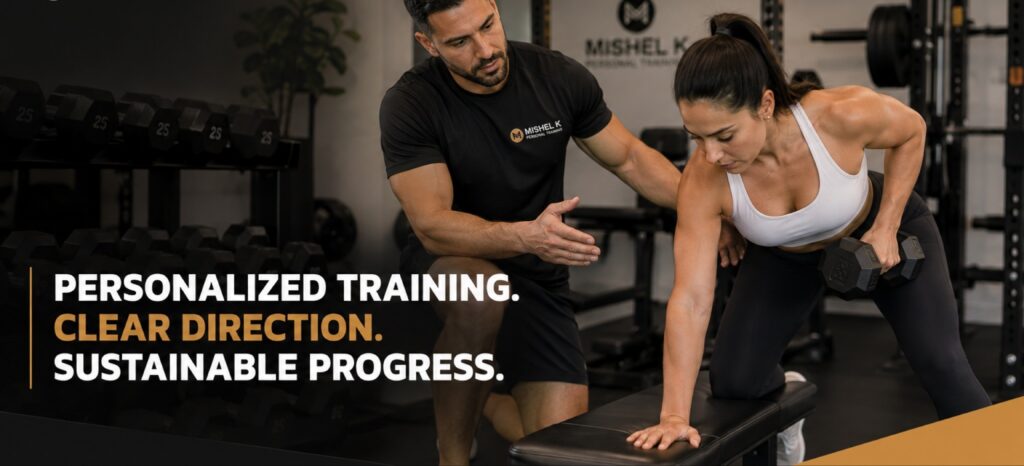
At MK Fitness, we focus on personalized coaching, accountability, functional training, and sustainable progress so you can build stronger habits without relying on cookie-cutter programs.
If you are ready to begin, schedule a consultation with MK Fitness and take the first step toward a fitness plan designed around your goals, lifestyle, and starting point.
Frequently Asked Questions
1. Do I need to be fit before hiring a personal trainer?
No. You do not need to reach a certain fitness level before working with a trainer. A personal trainer for beginners can help you start from your current level and progress gradually.
2. What should I expect from a personal trainer?
You can expect guidance, structured programming, exercise instruction, progress adjustments, and accountability. The exact approach should depend on your goals and abilities.
3. What happens during the first personal training session?
Your first personal training session will generally focus on learning about your goals, experience, lifestyle, and current abilities. You may also complete exercises or basic assessments that help shape your program.
4. How often should a beginner see a personal trainer?
There is no single schedule that works for everyone. Training frequency should consider your goals, availability, current fitness level, recovery, and whether you also exercise independently between sessions.
5. Is personal training only for weight loss?
No. Personal training can support goals including strength, conditioning, mobility, functional fitness, body composition, confidence, and general health. Your program should be based on what you want to accomplish.